
The New Frontier of Fear
Protecting Your Child from “Spatial” Harassment in VR and the Metaverse
For years, we have approached digital safety through the lens of a flat, 2D screen. We taught our children not to click suspicious links and how to block cyberbullies in text chats. But in 2026, the digital playground has leaped off the screen and into three dimensions.
Welcome to the Metaverse…
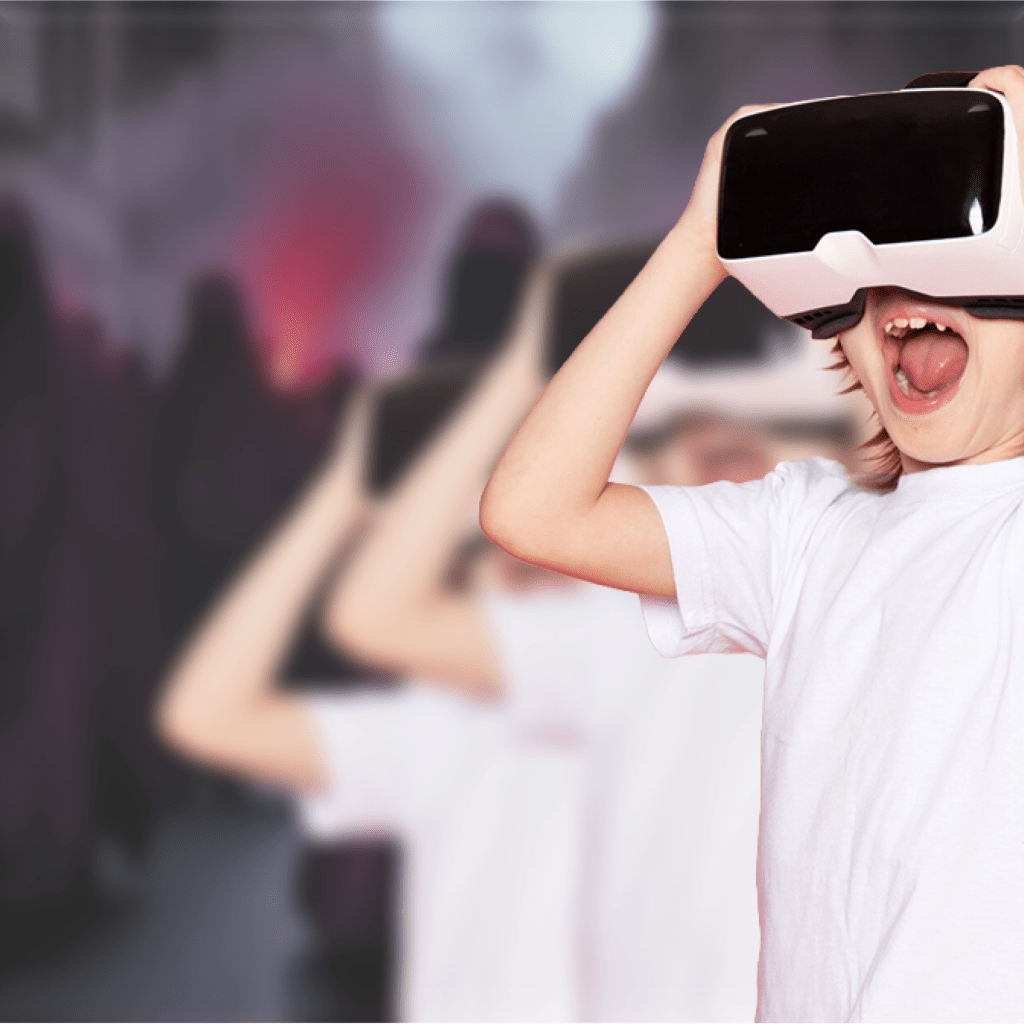
As of 2024, 32.6% of U.S. youth own a Virtual Reality (VR) headset. While South African household adoption remains lower, local uptake is growing rapidly as the continent’s most developed tech market. These platforms offer incredible opportunities for creativity, but they also introduce a serious new evolution of digital abuse: spatial harassment.
What is Spatial Harassment?
The metaverse blurs the line between physical and digital realities. When a child puts on a VR headset, their brain processes the virtual environment as an authentic physical space. Because of this, the psychological risks are vastly amplified.
A 2024 study from Florida Atlantic University (FAU), conducted in collaboration with the University of Wisconsin-Eau Claire and using a nationally representative sample of 5,005 U.S. teenagers aged 13 to 17, uncovered alarming statistics about how predators and bullies are exploiting these new spaces:
- Hate Speech and Slurs (44%): The most prevalent form of abuse, reported across unmoderated lobbies and shared spaces.
- Bullying (37.6%): Sustained targeted behaviour designed to intimidate or humiliate.
- Harassment (35%): Unwanted hostile contact across virtual environments.
- Malicious Obstruction (31.6%): Where users digitally surround, block or trap an avatar in a virtual corner.
- Avatar Deception / Catfishing (22.8%): Predators creating false identities to deceive children.
- Sexual Harassment (19%): A risk that disproportionately affects girls in virtual spaces.
- Grooming and Predatory Behaviour (18.1%): Predators systematically building trust with minors to exploit them, a risk South African experts warn is particularly critical given existing local prevalence rates.
The Illusion of the Living Room
One of the greatest dangers of VR is the false sense of security it provides to parents. Your child might be sitting safely on your living room couch, but the moment the headset goes on, they are entirely cut off from their physical environment and transported into unmoderated, global lobbies.
How Parents Can Fight Back: Your VR Safety Checklist
As parents, we must adapt. The FAU study found that youth tend to use in-platform safety features too infrequently. Here is your action plan:
- Activate the “Space Bubble”: Most platforms use Personal Boundaries to create an invisible barrier around your child’s avatar, preventing strangers from getting too close.
- Learn the Mute and Block Controls: Ensure your child knows the shortcut buttons on their controllers to instantly silence hostile users.
- Audit the Avatars: Remind your child that just because an avatar looks 12 does not mean the user is 12.
- Engage in Active Mediation: Use the Casting feature to stream your child’s gameplay to the family TV so you can see and hear exactly who they are interacting with.
The metaverse holds immense promise, but vigilance is required. This month, commit to stepping into their virtual world so you can help them navigate it safely.
Citations and References
- FAU Metaverse Study (2024): Dangers of the Metaverse and VR for U.S. Youth Revealed in New Study
- South African Child Safety Data: The Optimus Study South Africa: Prevalence of Child Sexual Abuse
- Meta Quest Safety Documentation: Personal Boundary Setting